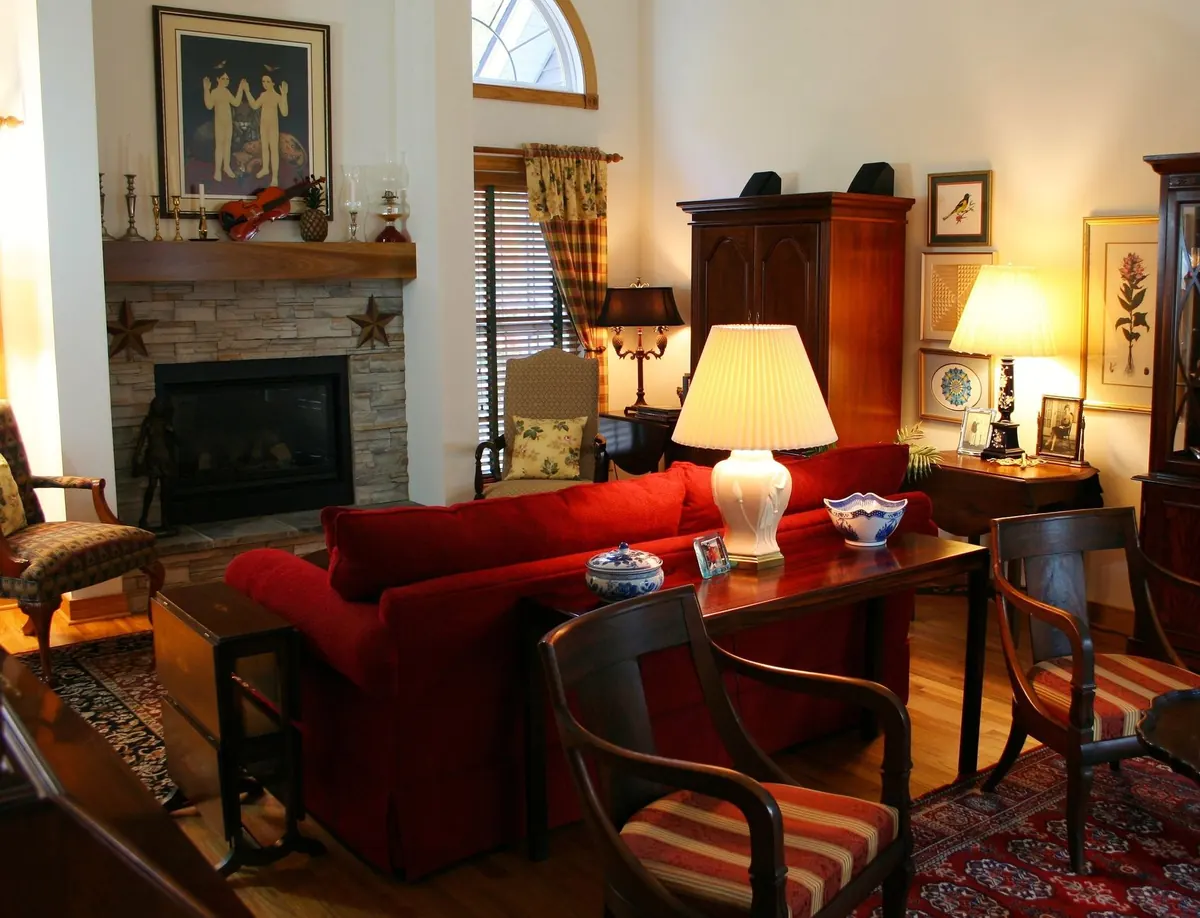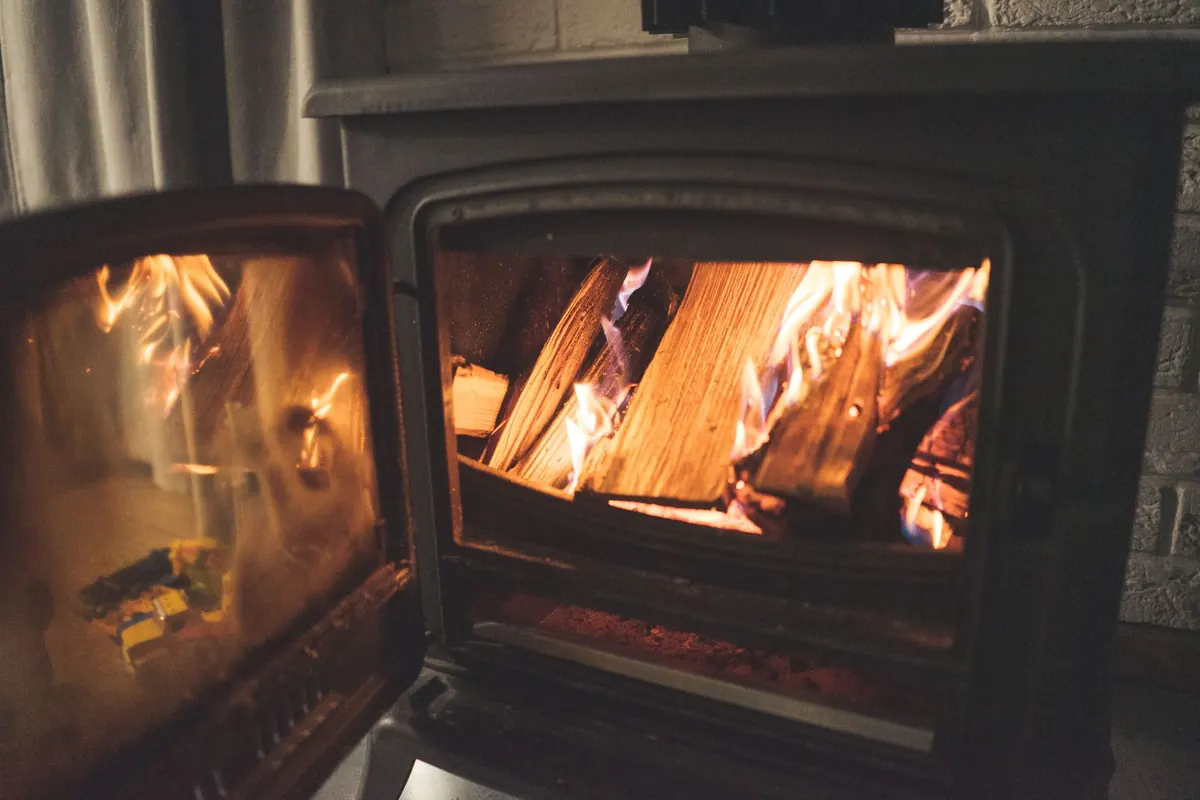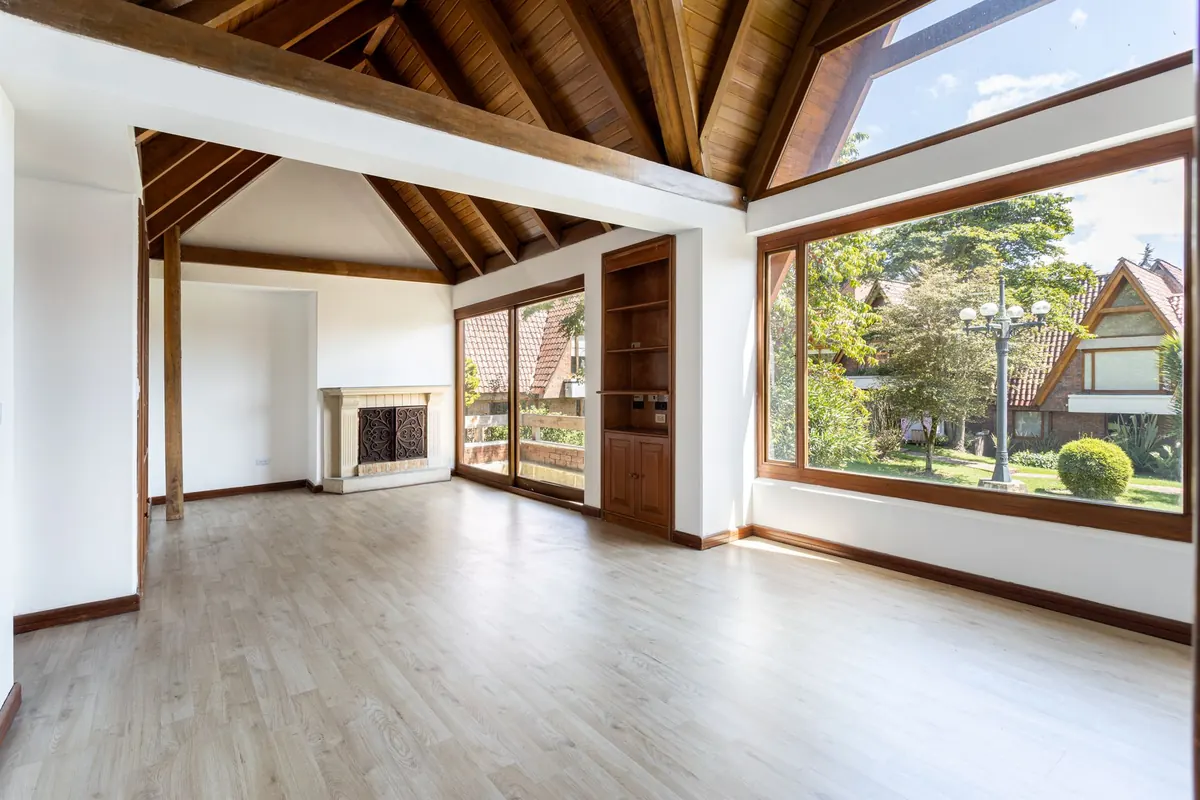
A fireplace surround has to do three jobs at once: look right in the room, sit correctly around the fire, and keep the house safe. Get any one of those wrong and it shows — sometimes the moment it's fitted, sometimes on the first cold evening, when the mantel starts to warm up in a way it shouldn't.
The mistakes people make tend to be the same ones, across styles and budgets. Knowing them in advance saves a lot of expensive rearranging.
Sizing the surround by eye instead of by measurement
The most frequent error is a surround at the wrong scale. A heavy cast-iron mantel over a wide, low Victorian opening looks squashed, as though the fire is wearing a coat two sizes too small. A slim, low-profile frame on a tall chimney breast disappears entirely, leaving the fire looking stranded.
Proportion is about relationships, not absolute sizes, so measure the things that relate to each other:
- The width of the fire opening, at its narrowest point.
- The full width of the chimney breast, and how much wall sits either side of it.
- The height from floor to the ceiling, and the height of the mantel shelf once fitted.
- How far the surround and hearth will project into the room — this is floor space you lose permanently.
As a broad guide, the legs should stand clear of the opening rather than crowding it, and the shelf should sit comfortably above the height of the fire itself. A surround that reads as slightly generous almost always looks better than one that reads as tight. If you're unsure, cut a cardboard template of the proposed outline and tape it to the chimney breast for a day or two. It sounds crude; it works.
Clearance, hearths and the rules people forget
This is where mistakes stop being aesthetic and start being dangerous. Combustible materials — timber, MDF, painted board, wallpaper — have to be kept a safe distance from the heat source, and those distances differ depending on whether you have an open fire, a wood-burning stove, a gas fire or an electric one. Hearths have minimum sizes too, and ventilation matters in a sealed room.
Building regulations across the UK cover this ground, with separate documents for England, Wales, Scotland and Northern Ireland. The specific figures vary by appliance, and they are not the sort of thing to take from a photograph on a homeware website. Before you commit:
- Read the appliance manufacturer's installation instructions, which state the clearances for that model.
- Check the requirements that apply where you live.
- Speak to a qualified installer — for solid fuel, one registered with a competent person scheme is the sensible route — or to your local building control team.
- Get the answer in writing before you order anything made of wood.
If the plan involves enlarging the opening, removing a lintel, or altering the chimney breast in any way, take professional advice first. That is structural work, not decorating.
Choosing a material for the look rather than the life it will lead
Surrounds in pale limestone and polished marble photograph beautifully and then spend the next decade showing every fingerprint, ash smudge and ring mark. Dark slate is far more forgiving and quietly suits both period and modern rooms. Cast iron is robust but can rust in a damp chimney breast. Timber adds warmth but has to be kept well clear of the fire. Painted MDF is affordable and crisp, though it dents more easily than solid wood.
Weight matters as much as appearance. Stone surrounds are heavy, and they need a sound wall and a properly prepared base. Ask how the surround will be fixed, and by whom, before it arrives on a pallet at the front door.
A quick reality check on finish
Hold a sample against the wall in the actual light of the room, in the evening as well as the morning. Stone that looks warm in a showroom can turn grey against a north-facing wall, and a surround that is one shade too white will make everything around it look tired.
Matching the wrong period — or matching too literally
Period style is a useful guide, not a rulebook. Victorian openings usually suit cast iron with a tiled panel and a moulded shelf; Georgian rooms take a quieter, more restrained profile; 1930s interiors sit well with stepped, geometric lines; contemporary rooms often look best with a plain, deep reveal and very little ornament.
The mistake is treating the house as irrelevant. A deep, heavily moulded Victorian mantel in a 1960s bungalow will always look like a visitor from another building. Equally, a sleek modern frame beneath ornate cornices can feel as though half the room has been redecorated and the other half left behind. Either commit to the period or commit to the contrast — the awkward result comes from being undecided.
Pick the surround to belong to the room it is in, and the fire it will frame. Everything else follows from those two decisions.
The details that decide whether it works day to day
Even a well-proportioned, correctly specified surround can be undone by planning that stops at the showroom door. Worth thinking through before fitting:
- Seating distance. Sit where you actually sit in winter and check the heat reaches you — and that it doesn't drive you out of the chair.
- The television. Placing a screen above a working fire exposes it to heat and soot, and it will always sit higher than is comfortable for viewing.
- The hearth. Depth, material and edge all need to suit the appliance and the flooring, especially where carpet meets stone.
- Fuel and tools. Logs, ash, pokers and brushes need somewhere to live within reach but out of the way.
- Power and cables. Electric fires, and any lighting in the alcoves or under the shelf, need sockets and routes planned beforehand.
- Symmetry. Alcoves, shelving and wall lights either side of the chimney breast will make any off-centre surround look like a mistake.
Buying before you know what the fire is
It's tempting to fall for a surround first and choose the fire afterwards. Do it the other way round. The appliance dictates the clearances, the hearth, the ventilation and often the shape of the opening — and a surround bought too early becomes a constraint on every decision that follows. Measure the opening at its narrowest point, check whether the walls are square and vertical, and find out whether the chimney is lined and in use. Reclaimed surrounds rarely fit a space exactly as they fitted the last one.
Getting it right: a sensible order of work
- Decide the fire, and confirm it suits the chimney and the room.
- Check the clearances and hearth requirements properly, with professional advice where the appliance needs it.
- Measure the opening, the breast and the room — then measure again.
- Choose a material that suits the way you actually live, not just how the room photographs.
- Mock up the size on the wall before ordering anything bespoke.
- Leave the fitting to someone experienced with fireplaces, particularly for solid fuel.
Get those in order and the choice becomes far simpler: you're no longer guessing at what might look nice, you're fitting a surround to a set of known conditions. That is usually the difference between a fireplace that feels as though it has always been there and one that never quite settles.
Photo: Gustavo Galeano Maz / Pexels