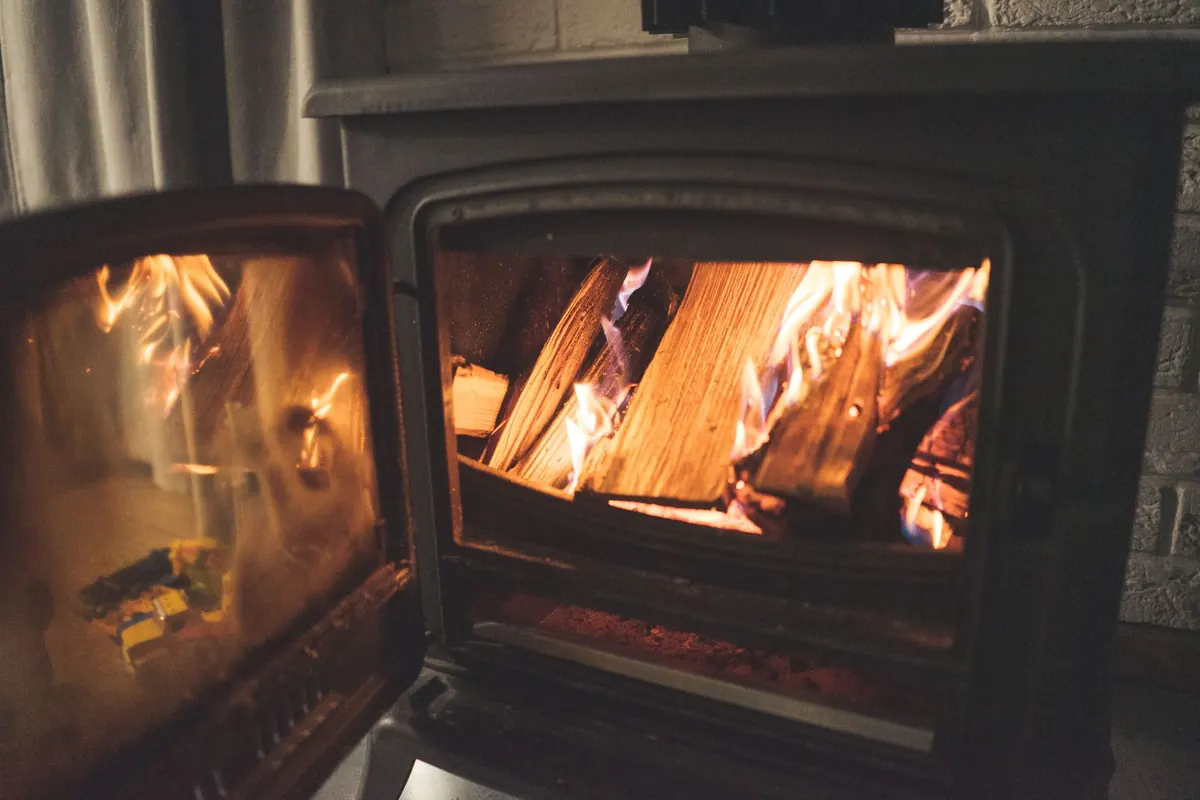
A log burner is a working appliance, not a piece of furniture. Look after it and it lights without a fight, burns cleanly and warms a room on exactly the kind of evening that makes the whole thing worthwhile. Neglect it and you get blackened glass, smoke drifting out when you open the door, and a flue quietly collecting the tar that chimney fires feed on.
Most of the work takes minutes rather than hours, and it spreads neatly across the year. Here is what to do, week by week and season by season.
Feed it well and the cleaning gets easier
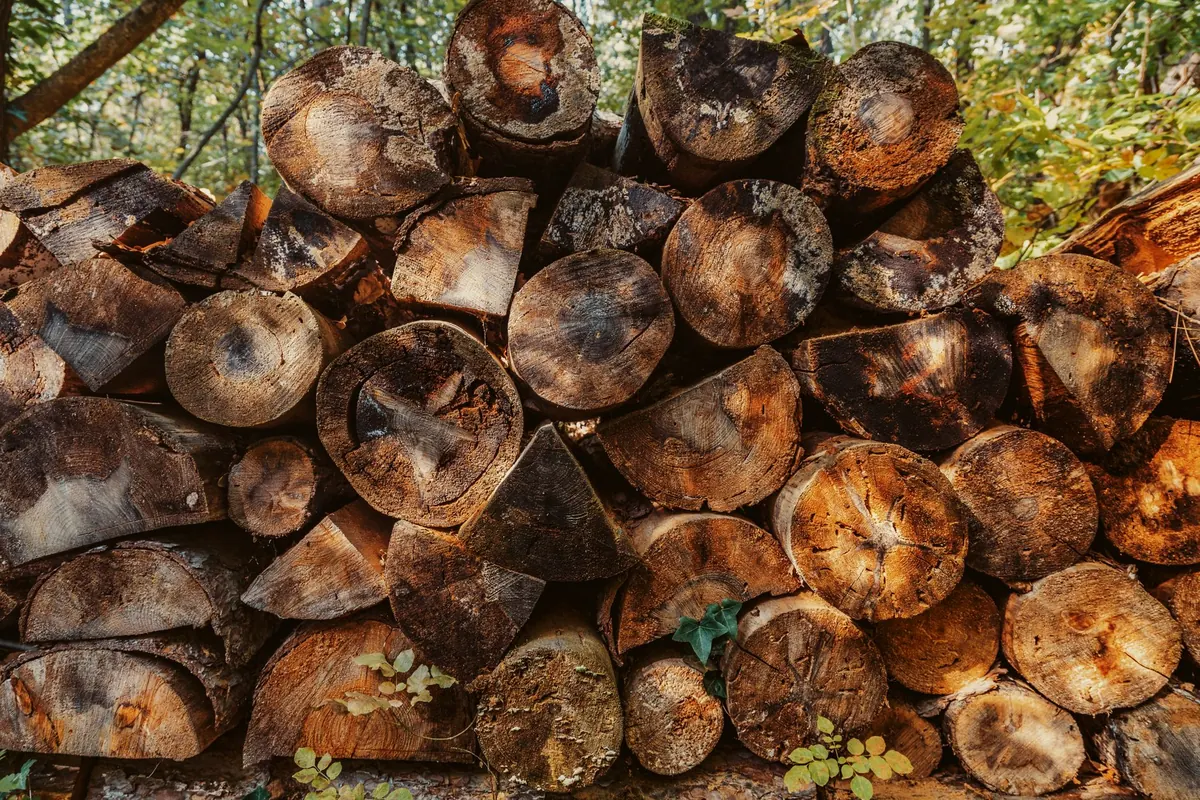
Almost every problem people blame on their stove — dirty glass, sluggish flames, a tarry flue — starts with the fuel. Burn dry, seasoned wood: split, stacked and left to dry until the moisture content is below about 20 per cent. A cheap moisture meter takes the guesswork out of it; split a log and test the freshly exposed face rather than the end grain.
Skip anything treated, painted or glued. Pallet offcuts, old fencing, driftwood and household rubbish all release things you do not want in your flue or your lungs. Dry wood gives more heat, less smoke and far less soot, so what you burn is the single biggest influence on how much cleaning you have to do.
The weekly routine
Ten minutes a week through the burning season keeps everything in order. Wait until the stove is cold or barely warm, then work through a short list:
- Glass: wipe off light soot before it bakes on. A damp cloth dipped in fine wood ash, or a dedicated stove glass cleaner, is usually enough.
- Ash: empty the pan when it is full and leave a thin bed — a centimetre or so — on the base of the firebox to insulate the grate and help the fire establish.
- Door and seal: run a finger around the rope, look for flattened or frayed patches, and check that the latch still pulls the door tight.
- Air controls: move them through the full range. A stiff lever usually means ash or soot in the mechanism.
- Baffle plate: check that it sits square. A baffle knocked out of place sends heat where it does not belong.
Ash goes into a metal container with a lid, never a plastic bag or a cardboard box. Even ash that looks dead can hold embers for a day or more, so leave the container outside on a non-combustible surface until you are certain.
While you are in there, glance at the firebricks and the grate. Hairline cracks in firebricks are normal and can be left alone; crumbling corners, or a brick that shifts when you press it, need replacing before heat starts working on the stove body instead. And do not vacuum cold ash with the household vacuum — fine ash wrecks motors and can carry live embers.
Cleaning the glass properly
A grey haze wipes off with a damp cloth and a little ash, or with a proprietary cleaner. Avoid cream cleaners and scouring pads: stove glass is soft, and scratches show up as permanent cloudy patches.
Thick black tar is a different job and usually a symptom rather than a cleaning problem. Use a cleaner made for stove glass, applied when the glass is cool, and then look at how you are burning. If the airwash slots above the door are blocked with ash, the glass will soot up whatever you do, so brush those out as part of the spring clean.
Most stove problems are fuel problems, and most fuel problems show up on the glass.
Light the next fire from the top down, give it plenty of air for the first twenty minutes, and only close the vents once the flames are steady. Damping a fire right down for a long, slow overnight burn coats both the glass and the flue in tar, and tar is exactly what you are trying to avoid.
Door seals, hinges and air controls
The rope seal is the part most often ignored and most often at fault. Cut a strip of paper, close the door on it at several points around the frame, and pull. If it slides out with no resistance anywhere, the rope has flattened and the seal has gone. Replacement kits are inexpensive and come with high-temperature adhesive; measure the rope diameter before ordering rather than guessing.
A worn seal lets air in where it should not, which makes the fire hard to control and the glass dirty. Keep hinges moving with a drop of high-temperature lubricant and wipe off the excess so it does not collect grit. If the handle needs a firm slam to stay shut, adjust the latch rather than living with it.
Spring and summer: the deep clean and the annual sweep
Once the last fire of spring has burned out, give the stove a proper going-over while the weather is on your side. Sweeps are quieter in spring and early summer, so booking then is easier than waiting until November.
- Sweep the flue. Chimneys should be swept at least once a year, and twice if you burn wood regularly. A registered sweep will also check the flue, cowl and terminal for damage and give you a certificate.
- Clear the firebox completely, then clean the glass, the door and the stove body.
- Inspect outside: the flue, the cowl or bird guard, the rain cap and the roof flashing. Birds nest in flues with impressive speed.
- Test alarms: smoke and carbon monoxide alarms, with fresh batteries. A CO alarm in the same room as the stove is not optional.
- Sort the wood store: stack next winter's logs now, under cover and with air moving through them.
An annual sweep is also your best chance to catch a cracked liner or a blocked terminal while it is still a small job.
Autumn
Photo: Atlantic Ambience / Pexels