A hearth does not need a chimney. What it needs is a fixed point in the room that says sit down, stay a while: a glow, a shelf for small treasures, and a chair close enough to feel the warmth without being singed. In a flat or a snug, that point has to work harder and take up less room. The good news is that small hearths are often the most convincing. When there is less space, there is less clutter, and everything you place there gets noticed.
Begin With Measurements, Not a Moodboard
Before you fall for a stove in a photograph, spend ten minutes with a tape measure. Note the width of the wall between the skirting and the nearest doorway, and the depth you can genuinely spare. A freestanding stove sitting proud of the wall will shrink a narrow room faster than you expect, especially in a hallway-shaped living space.
Then look at the boring bits. Where are the sockets? Will the plug and cable be visible from your sofa? Is there a curtain, radiator or door swing within reach of the spot you have in mind? Mark the proposed footprint on the floor with masking tape and live with it for an evening. If you keep stepping over the tape, the stove is in the wrong place — or too big.
Choosing an Electric Stove That Fits the Gap
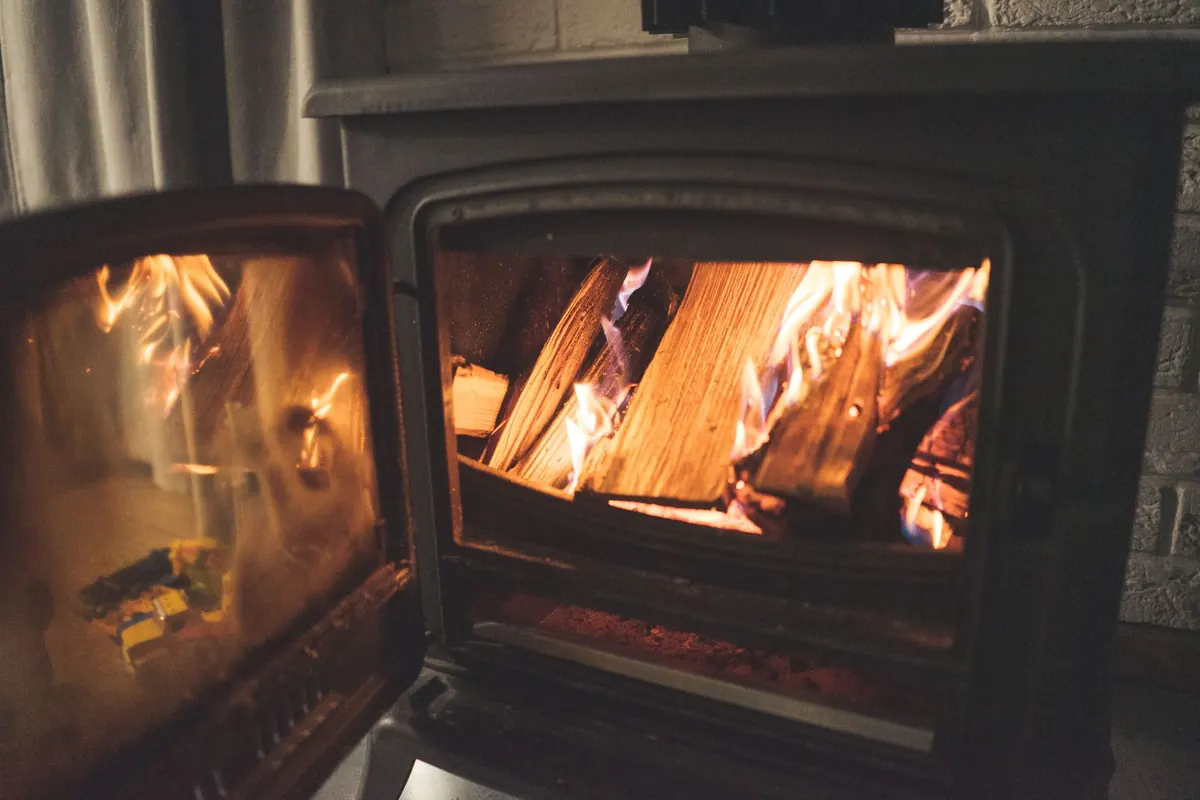
For most flats, an electric stove is the practical route: no flue, no fuel, no fire brigade. Two things matter more than the shape of the flames. The first is depth, because a shallow model reads as furniture rather than an obstacle. The second is whether you want heat or only atmosphere — many models offer a flame effect on its own, which is ideal for a warm room where you simply want the light.
Freestanding, inset or wall-hung
- Freestanding: the most convincing look, and easy to move when you rearrange. Check the base — some need a hearth plate or a solid floor rather than deep pile carpet.
- Inset or wall-hung: saves floor space and suits a chimney breast that has been blocked off, but it is a fixed decision. You will need the wall to take the weight and the instructions to be followed closely.
- Corner models: useful where a chimney breast juts into the room and leaves two awkward flanks. A corner unit can turn dead space into the focal point.
- Log-store bases: half stove, half shelf. Handy in a flat with no shed for blankets and board games.
Look for a thermostat and a timer if the stove will be your main source of top-up heat, and check the noise level of the fan. A quiet room makes a loud heater unbearable.
Clearances and Safety, Without the Guesswork
This is the part people skip, and it is the part that matters. Heat needs air, and soft furnishings need distance. Manufacturers publish minimum clearances to the sides, back and top, plus a distance to the front for anything combustible. Use their figures, not your own judgement, and keep the manual with the appliance.
- Keep curtains, throws, dried flowers, newspaper, paperbacks and kindling well clear of any heat source.
- Plug a heater directly into a wall socket. Extension leads and daisy-chained adaptors are not built for sustained high loads.
- Route cables out of walkways and never run them under a rug, where heat and wear go unnoticed.
- Do not block ventilation grilles, and leave the gap behind the unit open if the instructions ask for it.
- Place candles only where nothing can fall into them, and never directly beneath a shelf or a curtain.
- If you live above the ground floor, remember that cast-iron-look stoves are heavy. Check what the floor will take before delivery day.
Real flame is a different conversation. Gas, bioethanol and solid fuel appliances in a flat involve flues, ventilation, landlord permission and building regulations. Speak to a registered installer and get any consent in writing before you cut, drill or chase anything.
Styling a Mantel You Actually Have Room For
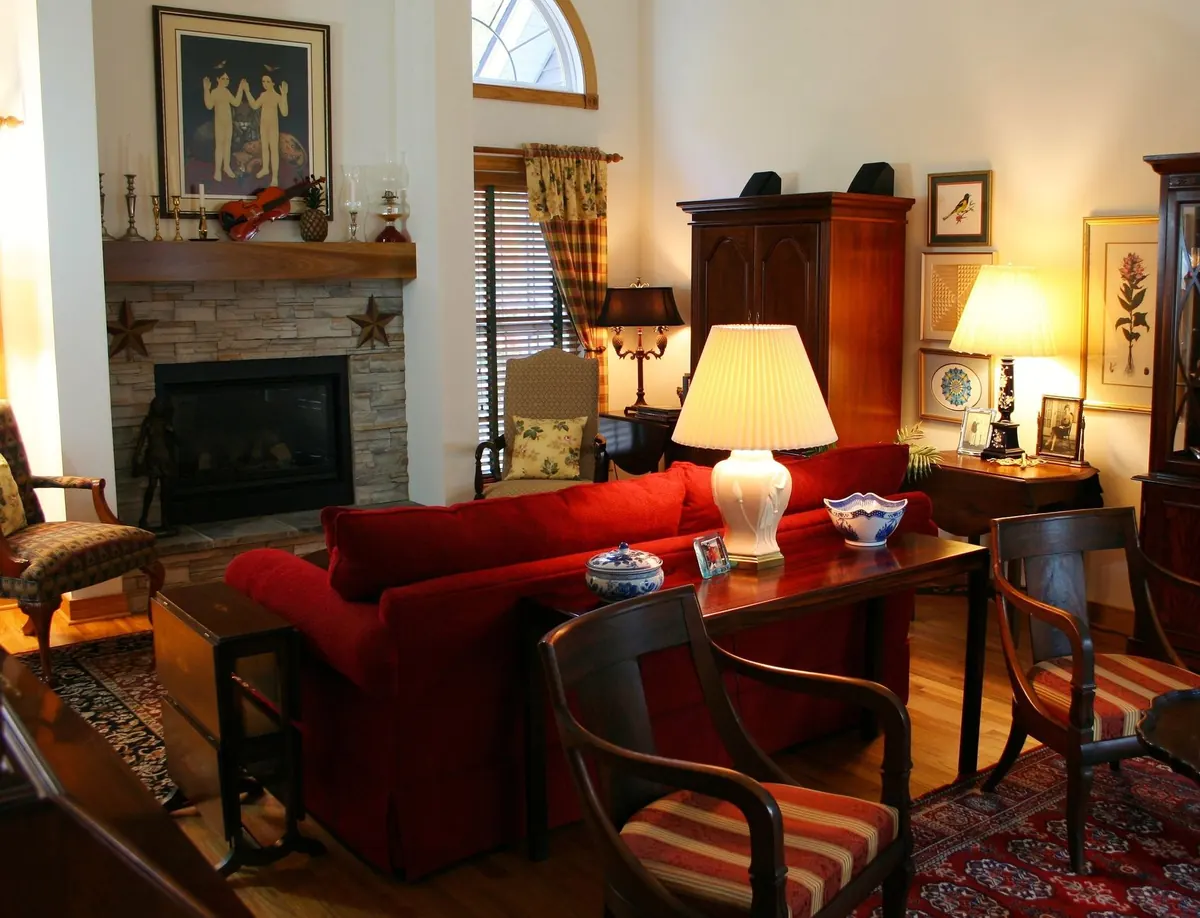
A shallow shelf above a stove gives you the hearth feeling without the surround. Forty centimetres of depth is plenty; even less will do if you keep the display lean. The trick is to layer rather than line things up.
Try a simple trio: something tall at one end, something low and wide beside it, and one living thing — a small fern, a sprig of eucalyptus, a strand of ivy. Add a mirror behind it if the room is dark, because it doubles the glow. Then stop. A crowded mantel looks like a shelf, not a hearth.
Rotate the display with the seasons and keep a spare box for the things that are resting. If candles are part of your arrangement, use them on a heatproof tray with a clear zone above, or choose a flickering LED version and enjoy the look without the worry.
Seating That Earns Its Floor Space
One good chair beats two mediocre ones in a snug. Measure the footprint including any reclining motion, and check the turning circle of a swivel before you commit. Position the chair at an angle to the stove rather than head-on; it looks more relaxed, and you avoid a permanent hot spot on one arm.
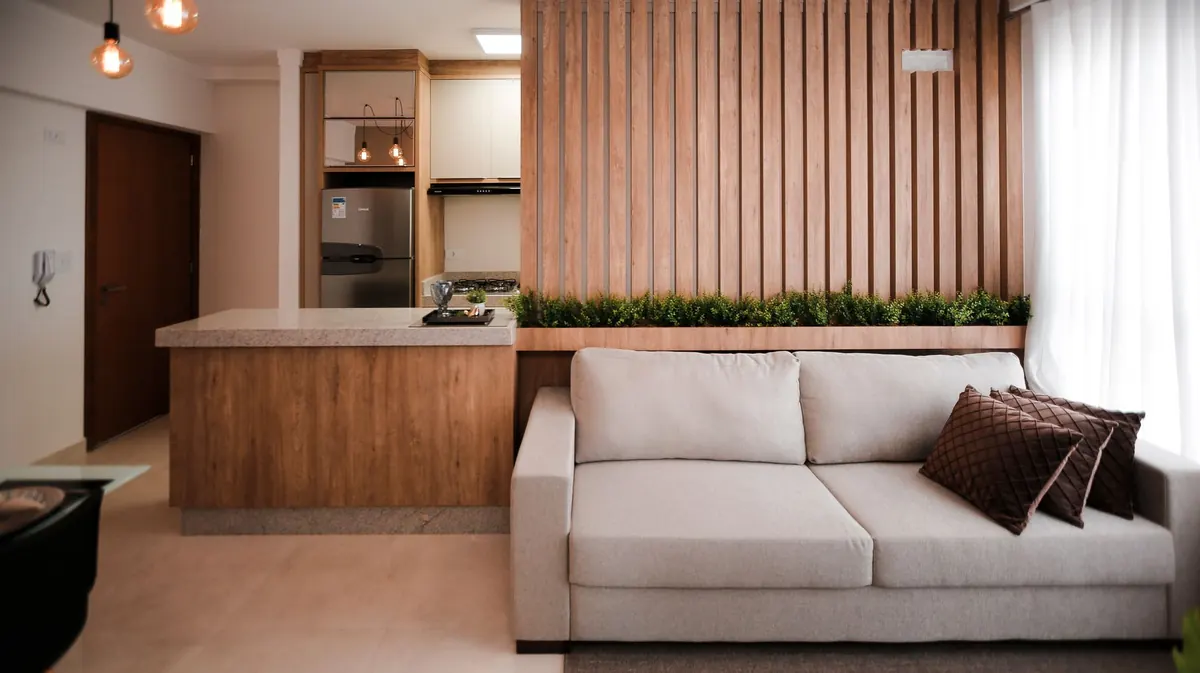
Look for pieces that do two jobs. A footstool with a lift-off lid stores throws. A slim bench under the window can seat two and hold a tray. A pouf or floor cushion gives you extra perching without a permanent footprint, and tucks away when the room needs to breathe.
Anchor the whole arrangement with a rug that sits under the front feet of the seating. It defines the hearth zone in an open-plan flat where no walls do the job for you. Keep a clear path to the door, and leave a sensible gap between the nearest chair and the heat.
Warmth Is Texture, Light and Scent
Half the feeling of a hearth comes from things that give off no heat at all. A wool throw, a sheepskin over a wooden chair, a linen lampshade, a knitted draught excluder at the door — these do the emotional work. Aim for warm bulbs rather than cool white, and put them on a dimmer if you can. A single low lamp beside the chair is worth more than a bright ceiling light.
Scent finishes the job. Beeswax, cedar, a pot of cloves and orange peel simmering on the hob. Keep it subtle; a flat holds scent longer than a large house. And if you are adding a heat source as well as a look, get any electrical work checked by a qualified electrician rather than improvising.
Before You Commit: A Short Practical Check
- Measure the wall, the floor footprint and the delivery route, including the front door and any tight turn on the stairs.
- Read the manufacturer's clearance figures and mark them out on the floor.
- Confirm the socket position and that the cable reaches without a trailing lead.
- Check whether riser feet, a hearth plate or wall fixings are supplied or sold separately.
- Decide what the mantel will hold, and where the rest of it will live.
- Keep the receipt and the manual together, in case the fan is louder than you hoped.
Do those six things and the rest is pleasure: a chair, a throw, a low light and a glow in the corner. Small rooms reward this kind of care. You are not shrinking a grand fireplace; you are building a hearth that fits the life you actually have.
Photo: Vidal Balielo Jr. / Pexels