Cold snaps rarely announce themselves. They arrive on a Sunday evening, or in the week the log basket is empty and the sweep's phone goes to voicemail. The work that makes a winter fire feel effortless is done now, in the mild, slightly dull weeks before anyone actually needs one. This is roughly the order we tackle it in, from the chimney down to the back door.
Book the sweep before the diary fills up
A chimney is not a passive hole in the wall. Soot, tar and creosote build up on the flue walls, birds nest in the pot, mortar crumbles, and the whole thing quietly gets less efficient with every fire you light. An annual sweep, done before the heating season starts, is the single most useful thing you can do for both safety and draw.
How often? Once a year is the usual baseline for a fire or stove in regular winter use. If you burn most evenings, or you've been burning damp wood, twice is sensible. If you've moved into a house and have no idea when it was last swept, book one now and treat that visit as your starting point.
Use a qualified sweep — one registered with a recognised trade body — and ask them to check the pot, cowl, flashing and any accessible flue, not just to run a brush through it. A good sweep will tell you what they found, leave you a record of the visit, and flag anything that needs a builder rather than a brush. September and October are the busiest weeks of their year, so book early.
Sort the fuel now, not in December
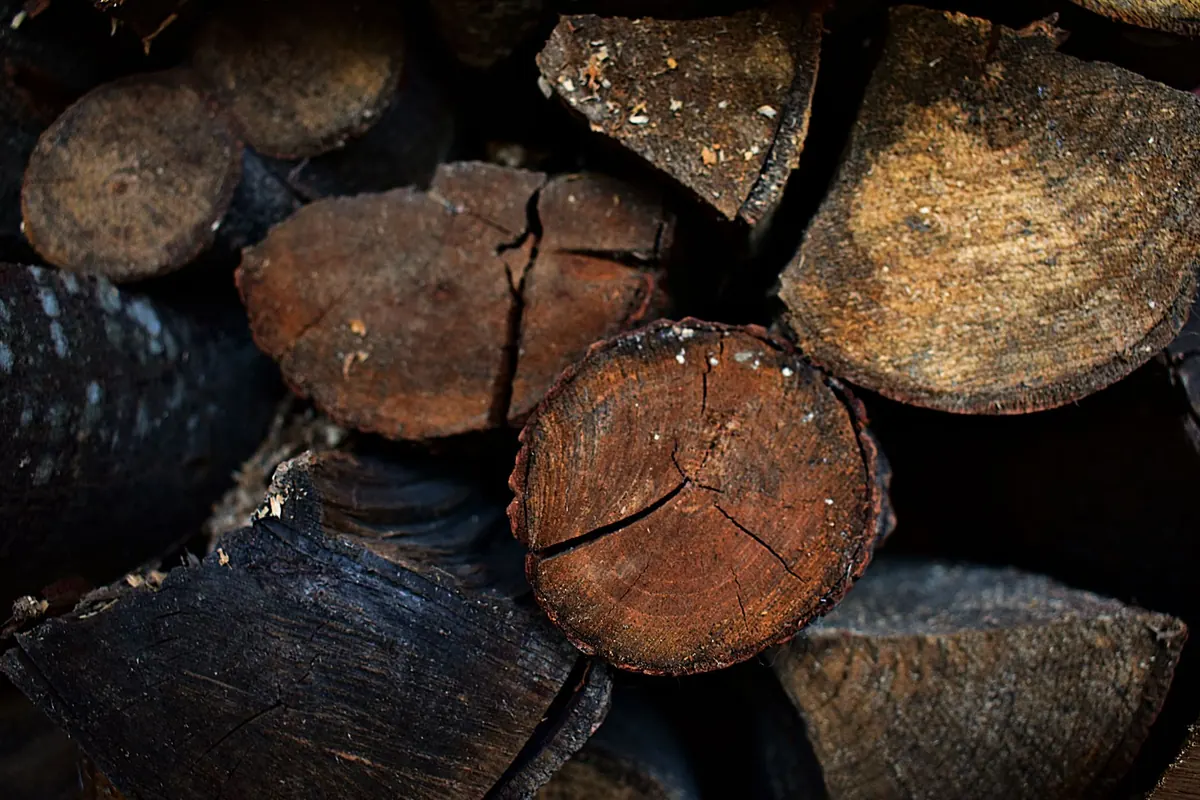
Wet wood is the root of most bad fires. It burns cool, smoulders, coats the flue in tar and gives off very little heat for the effort. Seasoned wood has a moisture content under about 20 per cent, and a cheap moisture meter will tell you in seconds whether the log you were sold is actually ready.
- Buy ahead. Order seasoned or kiln-dried logs in late summer, so they're ready when you need them and you aren't paying winter prices for whatever is left at the yard.
- Store it properly. Raised off the ground on pallets or a rack, with air moving through the stack, covered on top but open at the sides. Never sealed in plastic against a wall.
- Bring in a day or two at a time. Logs warm up and burn better indoors, but keep them well clear of the stove and respect the clearance distances in the manufacturer's instructions.
- Keep kindling dry. A lidded tin or a basket by the hearth saves a lot of muttering on a cold night.
- Check local rules. In a smoke control area, only authorised smokeless fuels and approved appliances may be used. Your local council can confirm what applies where you live.
Ten-minute safety checks
Do these before the first fire, then repeat them through the winter. None of them take long.
- Test every smoke alarm and replace the batteries. Check the expiry date on the unit itself.
- Fit or test a carbon monoxide alarm in the same room as any solid fuel appliance, and check its expiry date too.
- Clear the hearth of anything that shouldn't be there: magazines, drying washing, decorations, the dog's basket.
- Make sure a fire blanket or suitable extinguisher is within reach, and that you know how to use it.
- Empty ash into a metal container and take it outside. Ash stays hot for a surprisingly long time.
If you ever smell fumes indoors, or an alarm sounds, get everyone out and call the fire service. Don't wait to investigate. For anything involving the appliance itself — a suspected fault, a flue problem, a change of fuel type — speak to a qualified installer or sweep rather than working it out as you go.
Draught-proof the room, but don't starve the fire
An open fire or stove needs a steady supply of air. Seal a room too tightly and the appliance struggles to draw, smoke spills into the room, and you've swapped a draught for a headache. So leave air bricks and permanent vents alone, and if you're replacing windows or doors in a room with a solid fuel appliance, keep ventilation in the plan.
Everything else is fair game. Brush seals along the bottom of doors, a flap over the letterbox, a cover on the keyhole, draught strips on sash windows, a heavy curtain at the back door. A chimney draught excluder — the inflatable kind, or a woolly shepherd's crook — stops warm air vanishing up an unused flue, but it must come out before you light anything. If you're the forgetful sort, leave a note taped to the stove.
Give the stove and fireplace a once-over
Small failures cause most winter frustration. A stove that won't hold overnight is usually leaking air past a tired door rope. Test the seal by closing the door on a strip of paper and pulling it out; if it slides free, replace the rope. Clean the glass with a proper stove cleaner rather than an abrasive pad, check the firebricks and baffle plate for cracks, oil the hinges, and make sure the grate and ash pan sit as they should. If you spot cracked fire cement or a loose flue joint, get it looked at now rather than in the middle of a cold spell.
The last week before the cold arrives
When the forecast turns, you want to be doing very little. So in that final week: lay a fire ready to light, fill the kindling basket, bring a few days of logs indoors, check the matches and torch situation, and put a spare blanket somewhere you can reach without getting up. Test the central heating as well, if you have it. The first cold snap is a poor time to discover that a radiator valve has seized.
A fire that behaves itself
Autumn preparation is mostly unglamorous work: a sweep's visit, a dry wood store, a new door rope, a test of the alarm. Done in October, it's an hour or two of quiet effort. Done in January, it's an emergency. Get the chimney swept, get the fuel dry, close the draughts that don't matter and leave the ones that do. Then the first cold snap becomes something to look forward to rather than brace for.
Photo: Diana ✨ / Pexels